Article
Manufacturer Refurbished, Seller Refurbished, and Open-Box Products Compared
 0
0
 0
0
“Refurbished,” “renewed,” “open-box,” and “returned item” are not interchangeable labels. They may describe very different inspection processes, repair histories, warranty providers, and product conditions.
The safest approach is not to choose by label alone. Before paying, identify who inspected or repaired the product, what was replaced, what condition is guaranteed, and who is responsible if the item does not match the listing.
Compare the Process Behind Each Label
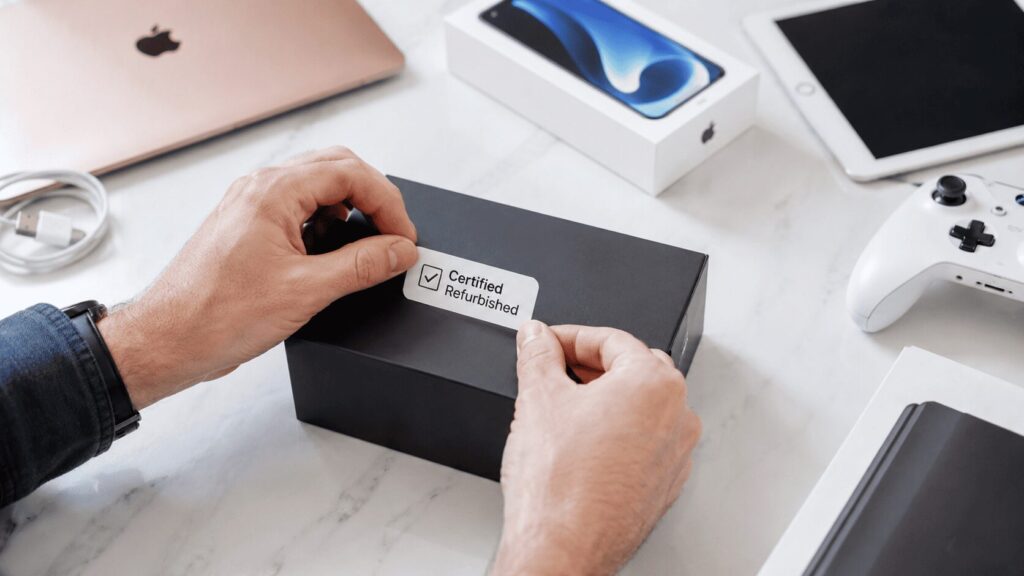
A manufacturer-refurbished product belongs to an official program operated or controlled by the brand. The manufacturer defines the testing process, replacement parts, grading standards, packaging, warranty, and support channel.
However, manufacturer refurbishment does not automatically mean every brand provides new-product-equivalent coverage. The exact program must be checked. Samsung’s current Korean Certified Re-Newed phone program, for example, states that eligible returned devices are inspected by Samsung engineers, use genuine parts and a Samsung-certified battery, pass more than 100 quality tests, and receive the same two-year warranty as new products. The same program also states that exchanges are not offered, showing that warranty and return conditions can still differ from a normal new-product purchase.
Seller-refurbished products are inspected or repaired by a marketplace seller, repair company, or reseller rather than the original manufacturer. Quality can range from a thorough restoration with documented replacement parts to basic cleaning and a functional check. The seller’s own standards and warranty therefore matter more than the word “refurbished.”
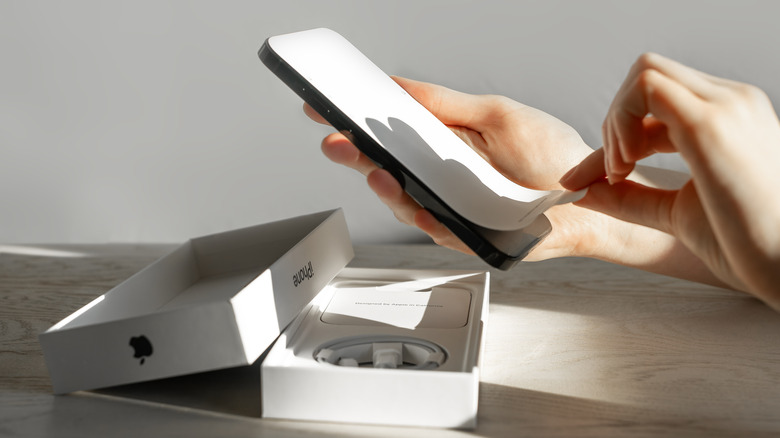
An open-box product usually indicates that the original packaging has been opened. It may be a customer return, cancelled order, display unit, damaged-box item, or product inspected before resale. The label alone does not prove that the item was never used or repaired.
| Product type | What the label usually indicates | What must still be verified |
|---|---|---|
| Manufacturer refurbished or certified used | The brand controls the refurbishment program | Exact testing process, replacement parts, warranty, exchange policy, and Korean service eligibility |
| Seller refurbished | A third-party seller inspected or repaired the item | Who performed the work, what was replaced, test results, condition grade, and seller warranty |
| Open-box or returned item | The package was opened or the product returned | Reason for return, actual use, display history, repair history, accessories, and warranty status |
Do not compare condition grades such as “A-grade,” “premium,” or “like new” until you read the seller’s definition. One seller may allow visible scratches in its highest grade, while another may grade only cosmetic appearance without measuring battery condition or internal wear.
Check the Exact Unit, Not Only the Product Model
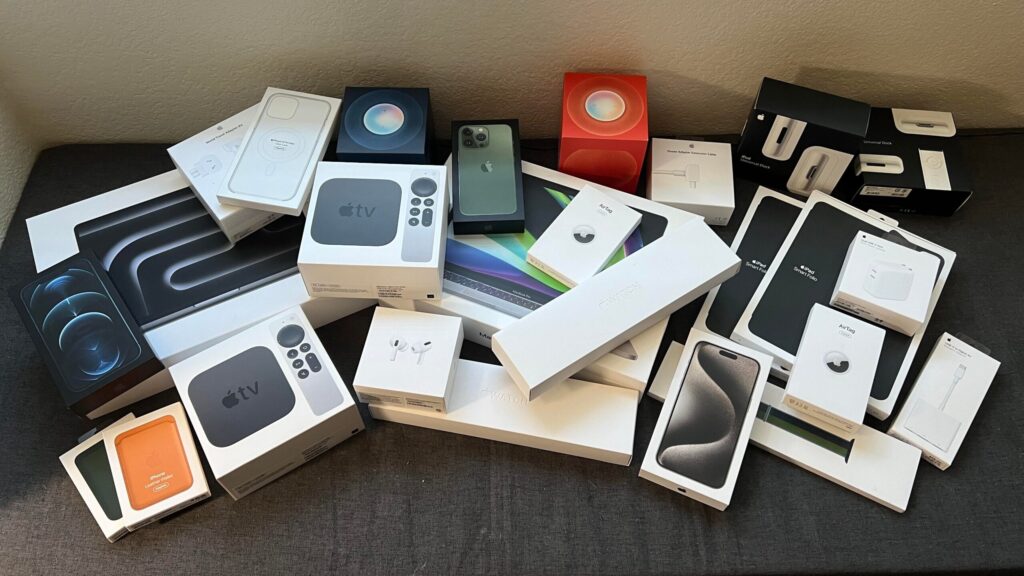
For phones, tablets, and laptops, ask for the full model number, region or carrier version, serial number or IMEI, battery health, charging-cycle count where available, and activation-lock status.
For appliances, monitors, cameras, and other electronics, check operating hours where the device records them, display use, panel condition, ports, included cables, power adapter, remote control, mounting parts, and signs of previous repair.
The listing should answer the following questions:
| What to check | Evidence to request |
|---|---|
| Refurbishment provider | Brand program name, repair-company name, or seller’s legal business name |
| Repair history | Parts replaced, reason for repair, and date of inspection |
| Battery condition | Maximum capacity, cycle count, or written replacement confirmation |
| Cosmetic condition | Photos of the actual unit rather than only official product images |
| Accessories | Complete list of original and replacement accessories |
| Model and region | Full model code, plug type, firmware, network compatibility, and language support |
| Warranty | Provider, duration, covered defects, exclusions, and repair location |
| Return conditions | Deadline, return cost, inspection deductions, and excluded situations |
| Proof of purchase | Receipt, tax invoice, order confirmation, and serial number |
For imported or parallel-imported electrical products, also check safety and service compatibility in Korea. Safety Korea allows consumers to search certification information by model, product, or certification number. Korean safety guidance also requires imported used electrical products subject to the relevant rules to carry a safety-inspection mark and unique product number.
A KC mark does not confirm battery health, cosmetic condition, or manufacturer warranty. It addresses product-safety requirements, so it should be checked separately from refurbishment quality and after-sales support.
Confirm Warranty and Return Responsibility Before Paying
The most important warranty question is not simply, “Is there a warranty?” It is:
Who will accept the claim, and what evidence will they require?
For manufacturer-certified products, confirm that the serial number is recognized by the brand’s Korean support system. For seller-refurbished products, determine whether the seller performs repairs directly, uses an outside repair center, replaces the product, or provides only a limited refund.
Phrases such as “domestic A/S,” “warranty available,” or “genuine product” are too vague on their own. Request written confirmation of the warranty provider, period, parts covered, labor charges, shipping costs, battery exclusions, and circumstances that void coverage.
For online purchases from a business seller in Korea, consumers generally have a statutory withdrawal period of seven days, subject to exceptions such as damage or use that substantially reduces the product’s value. If the delivered condition differs from the listing or contract, withdrawal may be available within three months of delivery and within 30 days of discovering—or being reasonably able to discover—the difference.
Save the listing before ordering, including its condition grade, photos, battery claim, included accessories, warranty statement, return terms, and seller responses. Korean consumer guidance recommends retaining contracts, receipts, warranties, and other transaction records in case a dispute occurs.
These protections may not apply in the same way when purchasing from a private individual rather than a business seller. Korea Consumer Agency guidance notes that the ordinary seven-day change-of-mind withdrawal right generally does not apply to person-to-person transactions, making platform payment protection and preserved evidence especially important.
Choose the Discount Only After Pricing the Risk
Manufacturer-refurbished products are often the easiest option to evaluate when buying an expensive primary device, especially when the official program clearly identifies testing, parts, warranty, and Korean service support.
Seller-refurbished products can be worthwhile when the price difference is meaningful and the seller provides an actual inspection report, battery information, repair history, strong return conditions, and a credible warranty. A high review score alone is not a substitute for those records.
Open-box products may offer good value when the packaging was opened but the product has a clear history, complete accessories, little use, and normal warranty eligibility. They become less attractive when the seller cannot explain whether the unit was returned for a defect, used as a display model, or previously repaired.
Use this decision process:
Identify who handled the product → verify the exact unit and repair history → confirm Korean warranty and safety conditions → compare the discount with the cost of a possible failure.
A larger discount may justify cosmetic wear. It does not automatically justify an unknown battery, missing serial information, vague warranty, or no practical return route.


